

Adult Scoliosis
Adult scoliosis is lateral curvature of the spine exceeding 10 degrees when viewed from the front in adults. It occurs in two main types: scoliosis continuing from childhood (idiopathic) and scoliosis starting in adulthood (degenerative or de novo). With age, curvature can develop or existing curvature can worsen due to disc degeneration, joint calcification, and ligament laxity.
What Is Adult Scoliosis?
Symptoms of Adult Scoliosis
- Low back and mid-back pain: Most common complaint, worsening with prolonged standing
- Radiating leg pain: Sciatica-type pain from nerve root compression
- Reduced walking distance: Neurogenic claudication due to spinal stenosis
- Balance problems: Forward or lateral leaning due to spinal imbalance
- Trunk asymmetry: Noticeable postural abnormality
- Shortness of breath: Chest cage restriction in advanced curves

Causes of Adult Scoliosis
Idiopathic Adult Scoliosis
Scoliosis starting in childhood or adolescence and persisting into adulthood. Degenerative changes may be added with age.
Degenerative (De Novo) Scoliosis
New-onset scoliosis in adulthood. Causes:
- Disc degeneration and height loss
- Facet joint arthritis
- Osteoporosis and fractures
- Ligament and muscle weakness
Diagnosis and Evaluation
- Standing full spine X-rays: Cobb angle, sagittal balance, pelvic parameters
- MRI: Disc, nerve, and spinal cord evaluation
- CT imaging: Bone details and fusion planning
- Bone densitometry: Osteoporosis evaluation
- Functional assessment: Pain scores, walking distance, quality of life
Treatment Approaches
Conservative Treatment
Most adult scoliosis patients can be treated without surgery:
- Pain management: Medication, physical therapy
- Exercise programs: Core strengthening, stretching, postural exercises
- Epidural injections: For nerve compression-related pain
- Facet joint blocks: For joint-related pain
Surgical Treatment Indications
- Severe pain unresponsive to conservative treatment
- Progressive neurological deficits
- Significant functional limitation
- Progressive curvature (more than 1 degree per year)
- Significant sagittal imbalance
Surgical Treatment Options
Decompression Surgery
Only nerve compression relief. Preferred for stable, mild curves.
Short Segment Fusion
2-4 level fusion for limited instability or degeneration.
Long Segment Corrective Fusion
Comprehensive corrective surgery for severe curvature and imbalance.
Osteotomy Techniques
Bone cutting to correct severe deformities:
- Smith-Petersen osteotomy
- Pedicle subtraction osteotomy (PSO)
- Vertebral column resection (VCR)
Minimally Invasive Techniques
Less muscle damage with lateral approaches like LLIF, XLIF.
Surgical Risks and Considerations
Adult scoliosis surgery is a complex procedure:
- Surgery duration and blood loss are greater than in pediatric surgery
- Bone quality (osteoporosis) affects healing
- Comorbidities must be evaluated
- Realistic expectations are important
Post-Operative Recovery
- Hospital stay: 5-10 days
- Brace use: 3-6 months (depending on surgery)
- Physical therapy: Starting at 6 weeks
- Return to work: 3-6 months
- Full recovery: 1-2 years
Why Choose Prof. Dr. Salim Şentürk?
Prof. Dr. Salim Şentürk has comprehensive experience in adult spinal deformity surgery. He specializes in multidisciplinary approach for complex cases, personalized treatment planning, and setting realistic goals.
Schedule a Detailed Evaluation
Comprehensive examination and imaging assessment to learn your treatment options.
Frequently Asked Questions
Is adult scoliosis surgery risky?
Adult scoliosis surgery is a complex procedure requiring careful patient selection and an experienced team. Risks are acceptable with modern techniques and anesthesia.
Is non-surgical treatment possible?
Many patients can live comfortably with conservative treatment. Surgery is considered when conservative treatment is inadequate and quality of life is significantly affected.
Where does scoliosis pain come from?
Pain can result from disc degeneration, facet joint arthritis, muscle fatigue, and nerve compression. Identifying the pain source guides treatment.
Will my mobility decrease after surgery?
Motion is restricted in the fused area, but daily activities are generally preserved. Pain reduction may increase functional capacity.
Other Treatments

Spine Surgery
Surgical treatment of spine and spinal cord diseases

Deformity Surgery
Deformity surgery is the surgical correction of scoliosis, kyphosis, and spinal imbalance. Effective treatment is achieved with modern techniques and implants. Prof. Dr. Salim Şentürk's expertise in complex deformity surgery.

Endoscopic Spine Surgery
Endoscopic spine surgery is a minimally invasive technique performed through an 8 mm incision. Same-day discharge and rapid recovery are possible for lumbar and cervical disc herniations. Prof. Dr. Salim Şentürk's endoscopic surgery expertise.
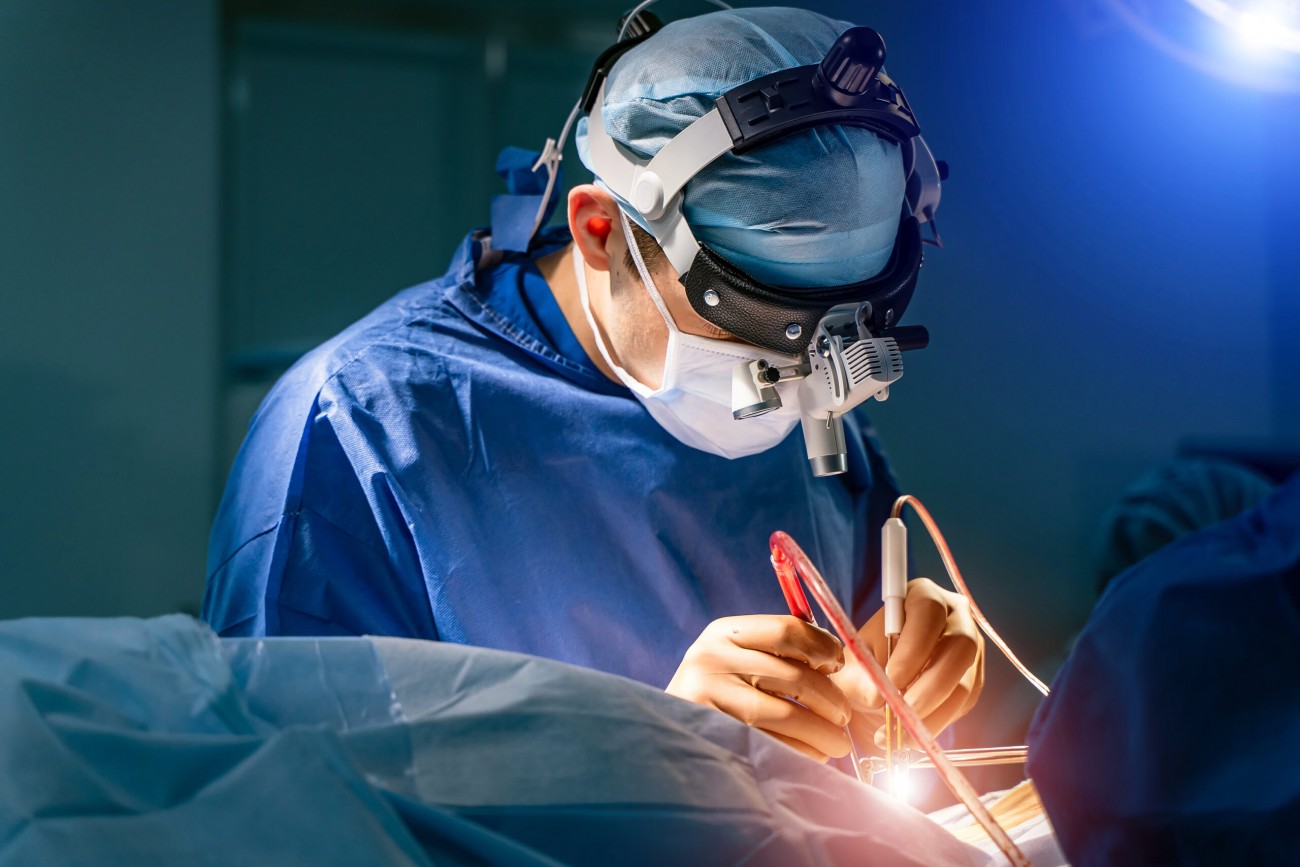
Peripheral Nerve Surgery
Peripheral nerve surgery treats nerve compressions, injuries, and tumors. Carpal tunnel, cubital tunnel, and nerve tumors are treated surgically. Prof. Dr. Salim Şentürk's nerve surgery expertise.
Reviewed by: Prof. Dr. Salim Şentürk, Neurosurgeon
Last updated: