

Cervical Disc Herniation Surgery
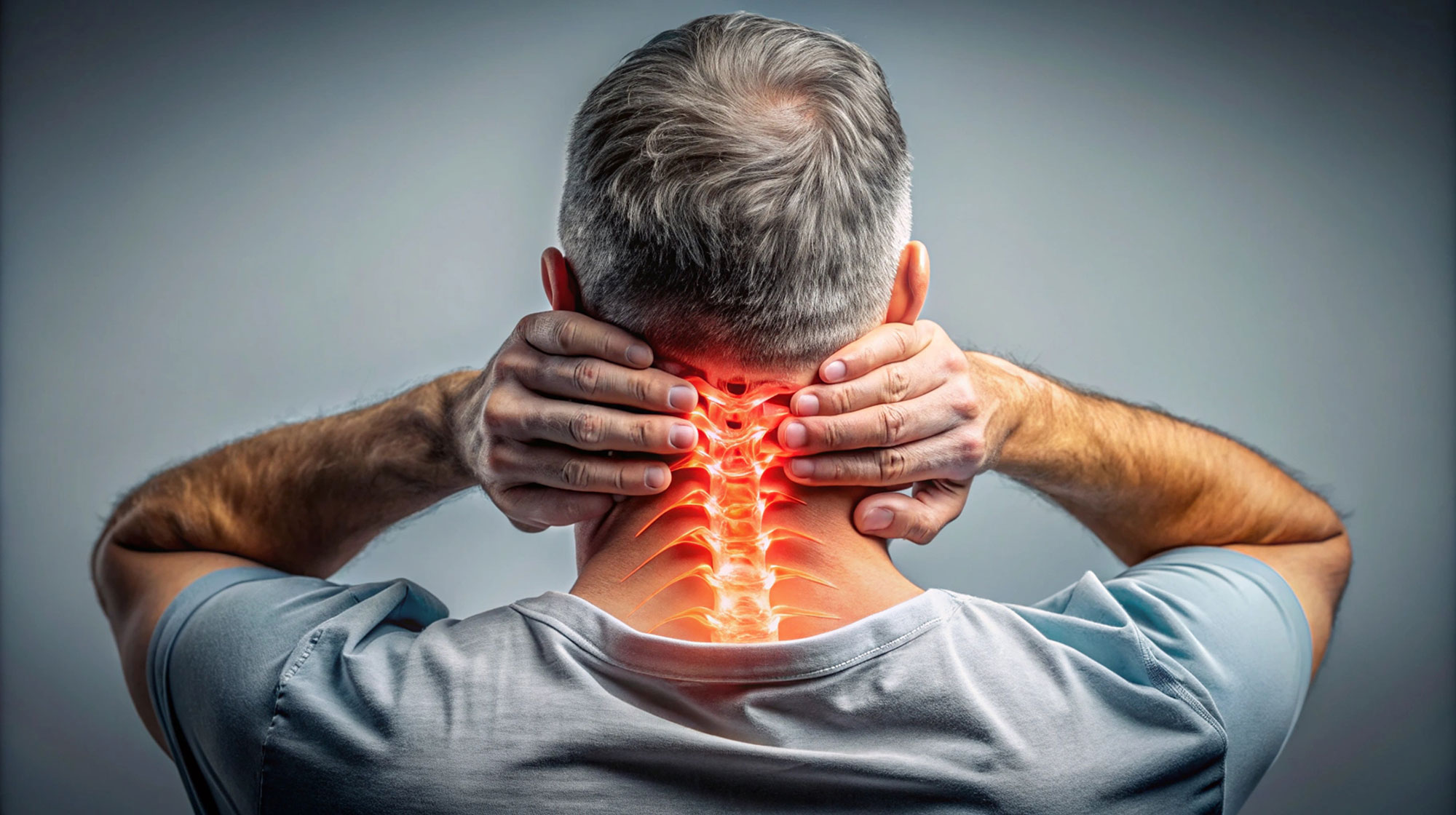
Cervical disc herniation occurs when a disc between neck vertebrae ruptures and compresses nerve roots or the spinal cord. It most commonly affects the C5-C6 and C6-C7 levels. Cervical herniation can cause arm pain, numbness, and weakness. Spinal cord compression may result in walking difficulties and loss of hand dexterity.
What Is Cervical Disc Herniation?
Symptoms of Cervical Disc Herniation
- Neck pain: Pain worsening with movement and head turns
- Radiating arm pain: Burning pain spreading to shoulder, arm, and fingers
- Numbness and tingling: Sensory changes in arm, hand, and fingers
- Weakness: Decreased grip strength, impaired fine motor skills
- Headache: Pain especially at the back of head and neck
- Myelopathy symptoms: Walking difficulty, balance loss, hand clumsiness (with spinal cord compression)
Warning Signs
The following symptoms may indicate spinal cord compression and require urgent evaluation:
- Numbness and clumsiness in both hands
- Walking and balance difficulties
- Bladder control problems
Causes of Cervical Disc Herniation
- Disc degeneration: Deterioration of disc structure with age
- Trauma: Car accidents, falls (whiplash injury)
- Prolonged computer use: Poor neck positioning
- Genetic factors: Familial predisposition
- Smoking: Negative effects on disc nutrition
Diagnostic Methods
- Physical examination: Spurling test, reflex check, motor and sensory exam
- Cervical MRI: Disc herniation, nerve compression, and spinal cord assessment
- EMG: Determining nerve damage severity
- Cervical CT: Bone pathology evaluation
Treatment of Cervical Disc Herniation
Conservative Treatment
The majority of cervical disc herniations are treated without surgery:
- Medications: Anti-inflammatory drugs, muscle relaxants, neuropathic pain medications
- Collar use: Short-term immobilization
- Physical therapy: Neck exercises, traction, manual therapy
- Cervical epidural injection: Pain and inflammation control with steroids
Surgical Treatment Options
Anterior Cervical Discectomy and Fusion (ACDF)
The most common surgical approach from the front of the neck. The disc is removed and replaced with bone graft or cage for fusion. Success rate exceeds 95%.
Artificial Disc Surgery (Cervical Disc Replacement)
The damaged disc is replaced with an artificial disc. Neck motion is preserved. Preferred for young and active patients.
Posterior Cervical Foraminotomy
Minimally invasive technique from the back of the neck. Applied when only nerve root decompression is needed.
Cervical Laminoplasty
Canal widening technique for multilevel stenosis.
Post-Operative Recovery
- Hospital stay: 1-2 days
- Collar use: 2-6 weeks (varies by surgery)
- Return to office work: 2-4 weeks
- Full recovery: 2-3 months
- Fusion healing: 3-6 months
Why Choose Prof. Dr. Salim Şentürk?
Prof. Dr. Salim Şentürk has over 25 years of experience in cervical disc surgery. He specializes in ACDF, artificial disc surgery, and minimally invasive techniques, determining the most appropriate treatment approach individually for each patient.
Contact Us for MRI Evaluation
Send your cervical MRI images for a preliminary assessment.
Frequently Asked Questions
Is cervical disc surgery dangerous?
Cervical surgery is safely performed by experienced surgeons. Complication rates are very low (1-2%) with modern techniques and imaging methods.
Will my neck move after surgery?
Single-level fusion surgery results in minimal motion loss. Artificial disc surgery preserves motion completely.
Can cervical disc herniation heal without surgery?
80-90% of cervical disc herniations improve with conservative treatment. However, surgery may be required in cases of spinal cord compression or significant nerve damage.
When can I drive after surgery?
After the collar is removed and pain-free neck movement is achieved, typically within 4-6 weeks.
Other Treatments

Spine Surgery
Surgical treatment of spine and spinal cord diseases

Deformity Surgery
Deformity surgery is the surgical correction of scoliosis, kyphosis, and spinal imbalance. Effective treatment is achieved with modern techniques and implants. Prof. Dr. Salim Şentürk's expertise in complex deformity surgery.

Endoscopic Spine Surgery
Endoscopic spine surgery is a minimally invasive technique performed through an 8 mm incision. Same-day discharge and rapid recovery are possible for lumbar and cervical disc herniations. Prof. Dr. Salim Şentürk's endoscopic surgery expertise.
Peripheral Nerve Surgery
Peripheral nerve surgery treats nerve compressions, injuries, and tumors. Carpal tunnel, cubital tunnel, and nerve tumors are treated surgically. Prof. Dr. Salim Şentürk's nerve surgery expertise.
Reviewed by: Prof. Dr. Salim Şentürk, Neurosurgeon
Last updated: