

Lumbar Disc Herniation Surgery
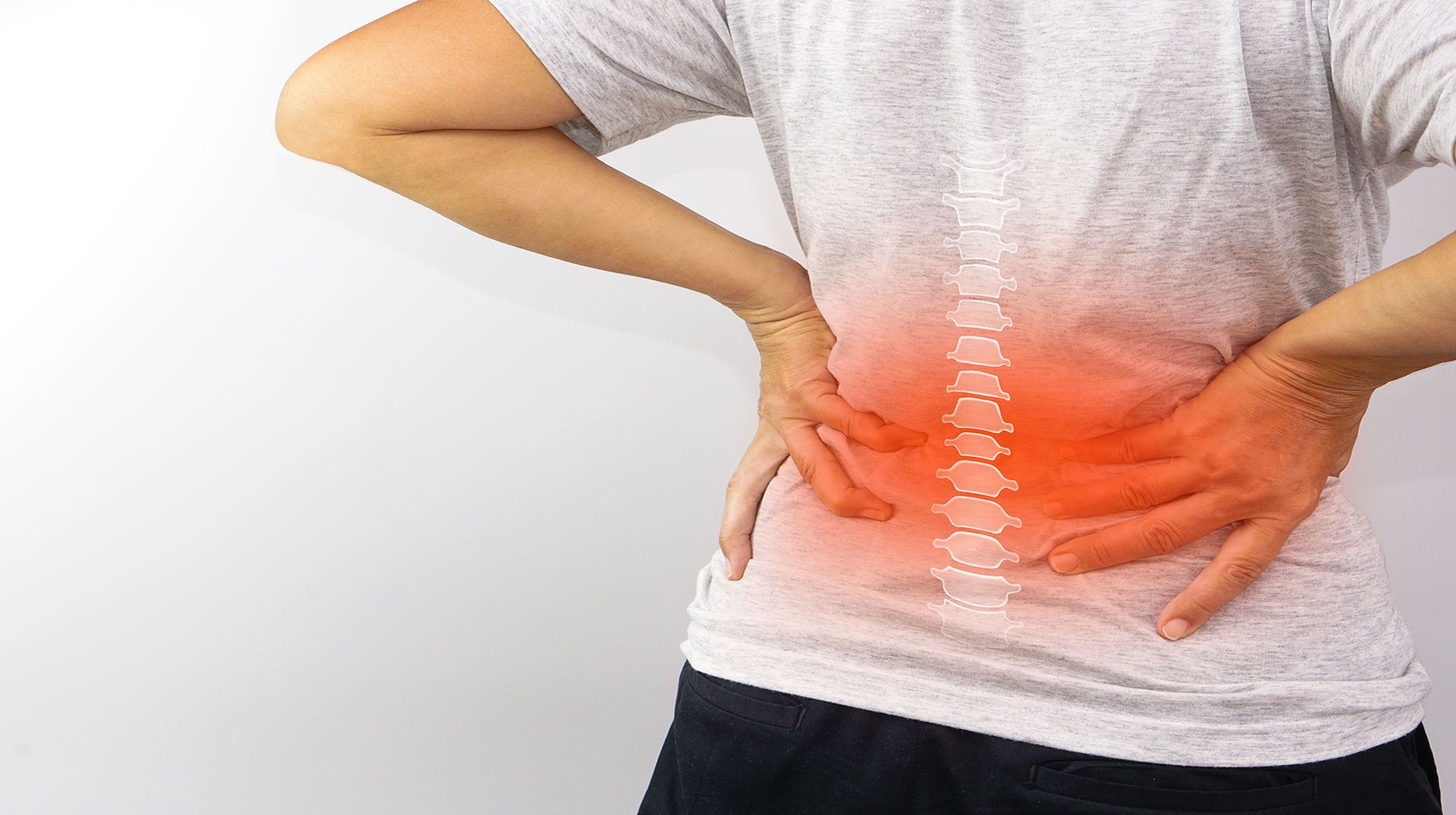
Lumbar disc herniation occurs when the soft disc between the lumbar vertebrae ruptures, causing the gel-like nucleus to protrude and compress nerve roots. It most commonly affects the L4-L5 and L5-S1 levels. Thousands of people in Turkey receive treatment for lumbar disc herniation annually.
What Is Lumbar Disc Herniation?
What Are the Symptoms?
Characteristic symptoms of lumbar disc herniation include:
- Low back pain: Pain that worsens with movement and improves with rest
- Radiating leg pain (Sciatica): Burning, electric shock-like pain from buttock to toes
- Numbness and tingling: Sensory changes in the leg and foot
- Weakness: Difficulty moving the ankle or toes
- Pain with coughing/sneezing: Symptoms worsen with increased abdominal pressure
Emergency Situations Requiring Urgent Care
Cauda Equina Syndrome symptoms require emergency surgery:
- Sudden weakness in both legs
- Loss of bladder or bowel control
- Numbness in the groin area (saddle anesthesia)
Causes of Lumbar Disc Herniation
- Aging and degeneration: Weakening of disc structure over time
- Heavy lifting: Lifting weight in improper positions
- Trauma: Disc damage from falls or accidents
- Obesity: Extra weight placing stress on the spine
- Sedentary lifestyle: Muscle weakness and impaired disc nutrition
- Genetic predisposition: Family history of disc disease
Diagnosis
Comprehensive evaluation for accurate diagnosis:
- Physical examination: Neurological tests, reflex checks, straight leg raise test
- MRI: Assessment of herniation location, size, and nerve compression
- EMG: Determining the degree of nerve damage
- CT scan: Bone detail examination (when necessary)
Treatment Options
Conservative Treatment
80-90% of lumbar disc herniations can be treated without surgery:
- Medications: Pain relievers, muscle relaxants, neuropathic pain medications
- Physical therapy: Exercise programs, manual therapy
- Epidural injections: Steroid injections for pain and inflammation control
- Lifestyle modifications: Weight control, ergonomic adjustments
Surgical Treatment
Surgery is considered when conservative treatment fails or neurological deficits exist:
Microdiscectomy (Gold Standard)
Removal of herniated disc material through a 2-3 cm incision under surgical microscope. Success rate is 90-95%. Hospital stay is typically 1 day.
Endoscopic Discectomy
The least invasive method using full endoscopic technique through an 8 mm incision. Same-day discharge is possible. Recovery time is 1-2 weeks.
Laser Discectomy
Reducing intradiscal pressure with laser in selected patients.
Post-Operative Recovery
- First 2 weeks: Light home activities, walking
- 2-4 weeks: Return to office work
- 4-6 weeks: Physical therapy begins
- 6-12 weeks: Return to normal activities
- After 3 months: Exercise and sports activities
Why Choose Prof. Dr. Salim Şentürk?
With over 25 years of experience, Prof. Dr. Salim Şentürk performs hundreds of lumbar disc surgeries annually. He specializes in microdiscectomy and endoscopic techniques and determines the most appropriate treatment method for each patient.
Free Preliminary Evaluation
Send your MRI images via WhatsApp for a preliminary assessment.
Frequently Asked Questions
Is disc surgery painful?
Modern anesthesia and pain management protocols keep post-operative pain under control. Most patients report immediate relief of leg pain after surgery.
Can disc herniation recur?
Recurrence risk at the operated level is 5-10%. Proper technique and post-operative care minimize this risk. New herniations can develop at different levels.
How soon can I return to work after surgery?
Office work in 2-3 weeks, physical work in 6-8 weeks may be expected. Timing varies for each patient.
How long does non-surgical treatment take?
Conservative treatment is typically applied for 6-8 weeks. If no improvement occurs, surgical options are evaluated.
Other Treatments

Spine Surgery
Surgical treatment of spine and spinal cord diseases

Deformity Surgery
Deformity surgery is the surgical correction of scoliosis, kyphosis, and spinal imbalance. Effective treatment is achieved with modern techniques and implants. Prof. Dr. Salim Şentürk's expertise in complex deformity surgery.

Endoscopic Spine Surgery
Endoscopic spine surgery is a minimally invasive technique performed through an 8 mm incision. Same-day discharge and rapid recovery are possible for lumbar and cervical disc herniations. Prof. Dr. Salim Şentürk's endoscopic surgery expertise.
Peripheral Nerve Surgery
Peripheral nerve surgery treats nerve compressions, injuries, and tumors. Carpal tunnel, cubital tunnel, and nerve tumors are treated surgically. Prof. Dr. Salim Şentürk's nerve surgery expertise.
Reviewed by: Prof. Dr. Salim Şentürk, Neurosurgeon
Last updated: