

Brain Tumors
Brain tumors are abnormal cell growths that develop in the brain tissue or surrounding structures. They can be primary (originating from the brain) or metastatic (spreading from other organs). Brain tumors can be benign or malignant; however, even benign tumors can cause serious symptoms due to their critical location in the brain.
What Is a Brain Tumor?
Types of Brain Tumors
Primary Brain Tumors
- Gliomas: Most common group arising from glial cells (astrocytoma, oligodendroglioma, glioblastoma)
- Meningioma: Arising from brain membranes, usually benign
- Pituitary adenoma: Arising from the pituitary gland
- Acoustic neuroma (Schwannoma): Arising from the hearing nerve
- Craniopharyngioma: Developing near the pituitary stalk
- Medulloblastoma: Cerebellar tumor common in children

Metastatic Brain Tumors
Most commonly spread from lung, breast, kidney, melanoma, and colon cancers.
Symptoms
- Headache: Severe in mornings, relieved by vomiting
- Seizures: Epileptic attacks
- Vision problems: Blurred vision, visual field loss
- Speech difficulty: Word-finding problems, comprehension difficulty
- Motor loss: Weakness in arm or leg
- Balance problems: Walking difficulty
- Personality changes: Behavior and mood changes
- Memory problems: Forgetfulness, concentration difficulty
- Hormonal disorders: In pituitary tumors
Diagnosis
- Brain MRI: Tumor location, size, and characteristics with contrast
- CT scan: Bone involvement and calcification evaluation
- PET-CT: Metabolic activity and metastasis screening
- MR spectroscopy: Tumor characterization
- Functional MRI: Motor and language area mapping
- Angiography: Vascular structure in vascular tumors
Treatment Approaches
Surgical Treatment
Maximum safe resection is the goal:
- Craniotomy: Opening the skull to access the tumor
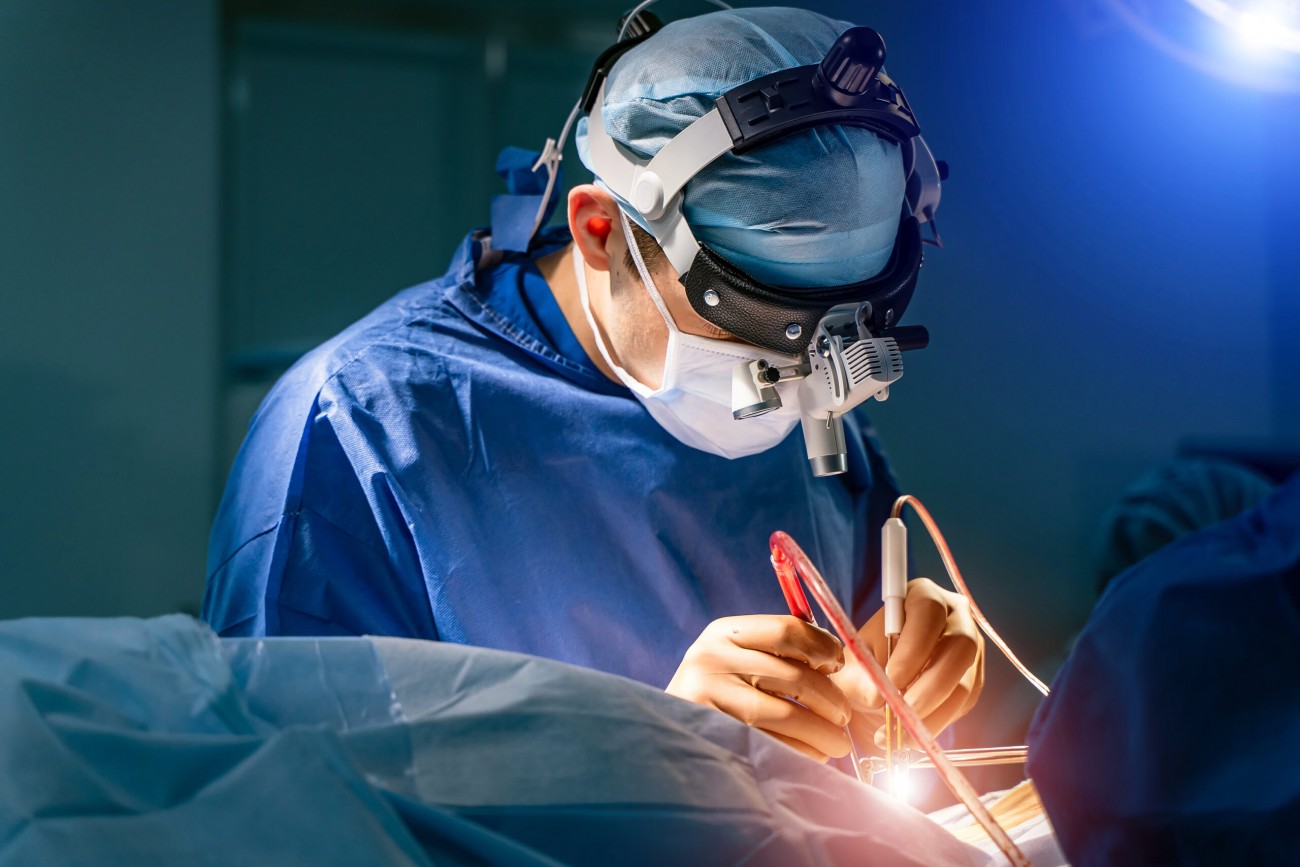
- Microsurgery: Precise removal under operating microscope
- Endoscopic surgery: Through the nose for pituitary tumors
- Awake craniotomy: Awake surgery for critical areas
- Navigation and neuromonitoring: Technology support for safe surgery
Radiotherapy
- Stereotactic radiosurgery: Gamma Knife, CyberKnife
- Fractionated radiotherapy: Divided dose application
- Proton therapy: Minimal damage to surrounding tissues
Chemotherapy
Systemic or local drug treatment for malignant tumors.
Targeted Therapies
New generation drugs targeting molecular targets.
Immunotherapy
Treatments activating the immune system.
Multidisciplinary Approach
Brain tumor treatment requires coordination of neurosurgery, neuro-oncology, radiation oncology, pathology, and neuroradiology specialists.
Prognosis
Prognosis depends on tumor type, grade, location, and patient's general condition. Complete cure is possible with surgery for benign tumors. For malignant tumors, survival and quality of life are improved with combined treatments.
Why Choose Prof. Dr. Salim Şentürk?
Prof. Dr. Salim Şentürk has comprehensive experience in brain tumor surgery. He performs safe tumor excision using microsurgical techniques, neuronavigation, and intraoperative monitoring.
Early Diagnosis Saves Lives
Get MRI evaluation without delay for suspicious symptoms.
Frequently Asked Questions
Is brain tumor surgery dangerous?
Brain surgery is safely performed with modern techniques. Nerve damage risk is minimized with neuromonitoring.
What should I expect after surgery?
Recovery depends on tumor location and size. Most patients can return to normal activities within 2-4 weeks.
Does the tumor recur?
Depends on tumor type. Early detection and intervention are possible with regular MRI follow-up.
Other Treatments

Spine Surgery
Surgical treatment of spine and spinal cord diseases

Deformity Surgery
Deformity surgery is the surgical correction of scoliosis, kyphosis, and spinal imbalance. Effective treatment is achieved with modern techniques and implants. Prof. Dr. Salim Şentürk's expertise in complex deformity surgery.

Endoscopic Spine Surgery
Endoscopic spine surgery is a minimally invasive technique performed through an 8 mm incision. Same-day discharge and rapid recovery are possible for lumbar and cervical disc herniations. Prof. Dr. Salim Şentürk's endoscopic surgery expertise.
Peripheral Nerve Surgery
Peripheral nerve surgery treats nerve compressions, injuries, and tumors. Carpal tunnel, cubital tunnel, and nerve tumors are treated surgically. Prof. Dr. Salim Şentürk's nerve surgery expertise.
Reviewed by: Prof. Dr. Salim Şentürk, Neurosurgeon
Last updated: