

Deformity Surgery
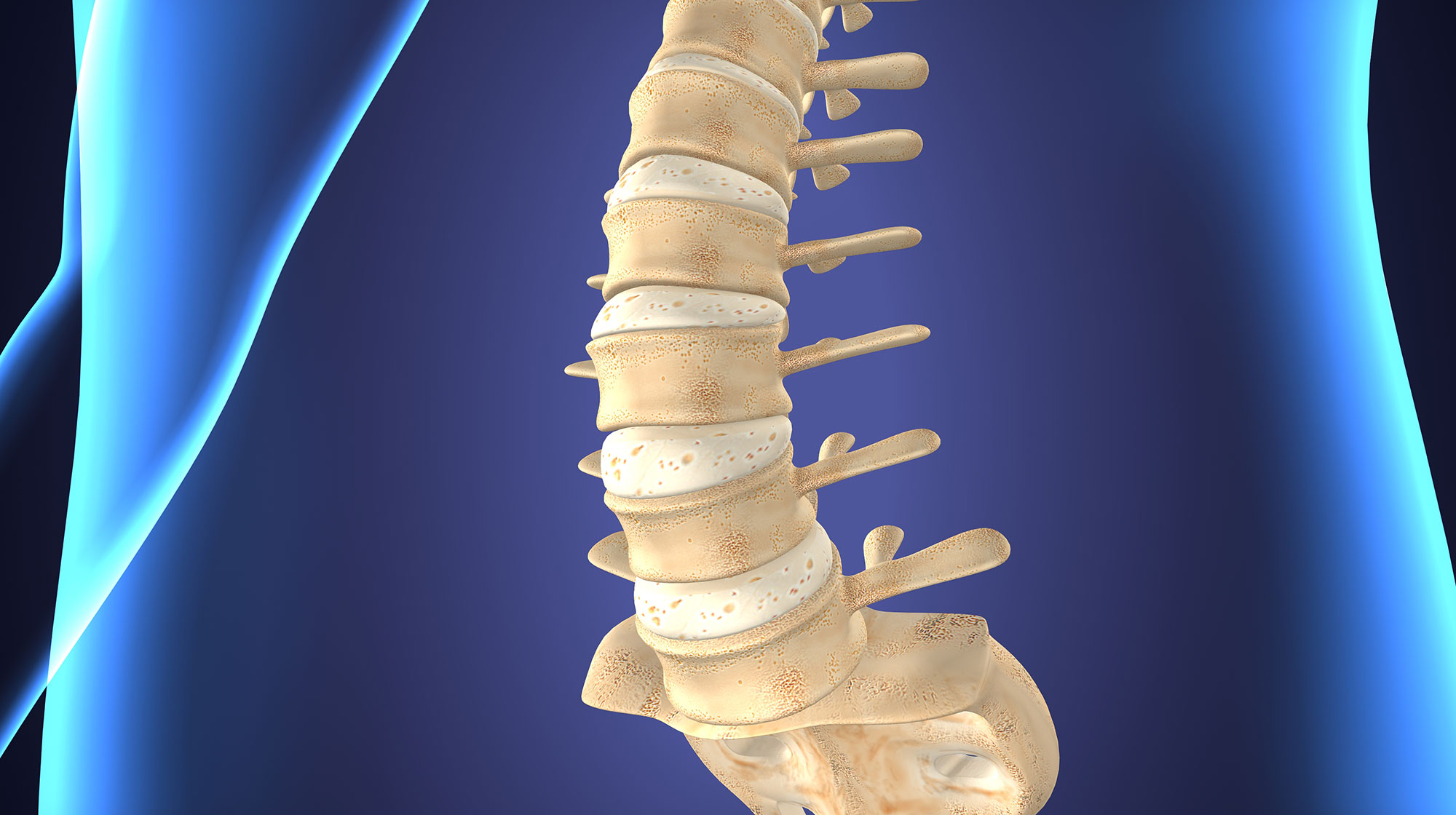
Deformity surgery comprises complex surgical procedures to correct spinal deviations from normal alignment (scoliosis, kyphosis, lordosis abnormalities). The goals are to restore spinal balance, relieve nerve compression, reduce pain, and improve functional capacity. This is one of the most challenging and specialized fields of spine surgery.
What Is Deformity Surgery?
What Deformities Are Treated?
Scoliosis
Lateral curvature of the spine. May be idiopathic, congenital, or degenerative.
Kyphosis (Hunchback)
Abnormal forward bending in the thoracic region. May result from Scheuermann's disease, osteoporosis, or trauma.
Kyphoscoliosis
Combined lateral and forward curvature.
Sagittal Imbalance
Imbalanced lateral profile of the spine, including flatback syndrome.
Spondylolisthesis
Slippage of vertebrae over one another.
Deformity Evaluation
- Clinical examination: Balance, gait, neurological assessment
- Full spine radiographs: Standing AP and lateral views
- Cobb angle measurement: Determination of curve magnitude
- Sagittal parameters: SVA, pelvic incidence, lumbar lordosis
- MRI and CT: Detailed anatomy and surgical planning
- 3D imaging: Surgical simulation
Surgical Techniques
Posterior Spinal Fusion
Correction and bone fusion using screw-rod system from the back.
Anterior Spinal Fusion
Disc removal and fusion from the front approach.
Combined Anterior-Posterior Approach
Using both approaches together for severe deformities.
Osteotomies
- SPO (Smith-Petersen): For mild corrections
- PSO (Pedicle Subtraction): Moderate correction
- VCR (Vertebral Column Resection): Most aggressive correction technique
Modern Technologies
- Intraoperative neuromonitoring
- Navigation-assisted screw placement
- Robotic surgical systems
- 3D-printed implants
Post-Operative Course
- Intensive care: 1-2 days
- Hospital stay: 5-10 days
- Mobilization: Beginning day 1-2
- Brace use: 3-6 months
- Full recovery: 6-12 months
Why Choose Prof. Dr. Salim Şentürk?
Prof. Dr. Salim Şentürk has over 25 years of experience in complex spinal deformity surgery. He uses modern techniques and a multidisciplinary approach for scoliosis, kyphosis, and sagittal imbalance cases to achieve optimal outcomes.
Expert Evaluation for Complex Deformities
Detailed examination and imaging for a personalized treatment plan.
Frequently Asked Questions
Who is a candidate for deformity surgery?
Patients who do not respond to conservative treatment, have progressive curvature, severe pain, or neurological complaints are surgical candidates.
How long does the surgery take?
Depending on deformity severity, surgery can range from 4-12 hours.
What are the risks?
Potential complications include bleeding, infection, nerve injury, and implant issues. Risks are minimized at experienced centers.
Other Treatments

Spine Surgery
Surgical treatment of spine and spinal cord diseases

Endoscopic Spine Surgery
Endoscopic spine surgery is a minimally invasive technique performed through an 8 mm incision. Same-day discharge and rapid recovery are possible for lumbar and cervical disc herniations. Prof. Dr. Salim Şentürk's endoscopic surgery expertise.
Peripheral Nerve Surgery
Peripheral nerve surgery treats nerve compressions, injuries, and tumors. Carpal tunnel, cubital tunnel, and nerve tumors are treated surgically. Prof. Dr. Salim Şentürk's nerve surgery expertise.

Lumbar Disc Herniation Surgery
Lumbar disc herniation surgery is performed when conservative treatment fails for herniated discs. Microdiscectomy and endoscopic discectomy achieve 90-95% success rates. Safe treatment with Prof. Dr. Salim Şentürk's expertise.
Reviewed by: Prof. Dr. Salim Şentürk, Neurosurgeon
Last updated: