

Endoscopic Spine Surgery
Endoscopic spine surgery is the least invasive spine surgical technique, performed through a 7-8 mm incision using a specialized endoscope and camera system. Compared to traditional open surgery, tissue damage is minimal, recovery time is very short, and patients can typically be discharged the same day.
What Is Endoscopic Spine Surgery?
Advantages of Endoscopic Surgery
- Minimal incision: 7-8 mm (vs 4-6 cm in traditional surgery)
- Less muscle damage: Muscles are spread apart, not cut
- Less bleeding: Minimal tissue trauma
- Short hospital stay: Same day or overnight
- Rapid recovery: Return to normal in 1-2 weeks
- Local anesthesia option: General anesthesia not required in suitable patients
- Less pain medication needed: Post-operative comfort
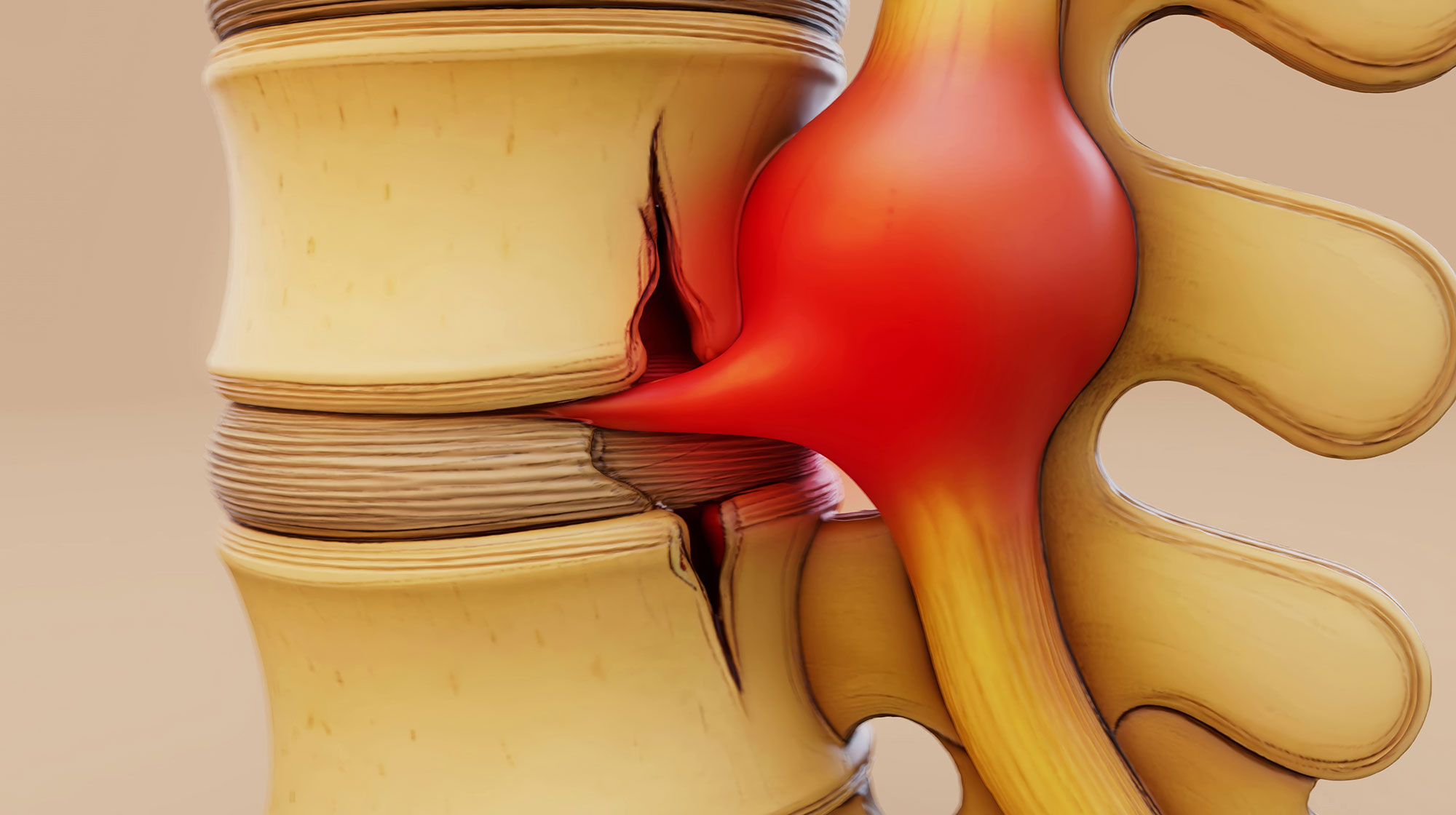
Which Conditions Are Treated?
Lumbar Disc Herniation
Disc removal via transforaminal or interlaminar approach.
Lumbar Stenosis
Endoscopic decompression to widen the spinal canal.
Cervical Disc Herniation
Posterior endoscopic foraminotomy.
Foraminal Stenosis
Widening of the nerve root exit hole.
Facet Joint Cyst
Endoscopic cyst excision.
Endoscopic Surgical Techniques
Transforaminal Endoscopic Discectomy
Lateral approach accessing the disc herniation through the foramen. Ideal for L4-L5 and L5-S1 herniations.
Interlaminar Endoscopic Discectomy
Posterior approach accessing disc herniation between the laminae. Suitable for L5-S1 and upper lumbar levels.
Uniportal Endoscopic Decompression
Treatment of both herniation and stenosis through a single port.
Biportal Endoscopic Surgery
Two-port system providing wider field of view and working space.
Surgical Process
- Anesthesia: General or local with sedation
- Duration: 45-90 minutes
- Incision: 7-8 mm
- Hospital stay: Same day or overnight
- Return to work: Office work 1 week, physical work 2-4 weeks
Who Is a Candidate?
- Single-level lumbar or cervical disc herniation
- Limited stenosis
- Nerve compression unresponsive to conservative treatment
- Patients at high risk for general anesthesia
- Patients desiring rapid recovery
Who Is Not a Candidate?
- Severe spinal instability
- Multi-level disease
- Advanced stenosis
- Previously operated level (relative)
Why Choose Prof. Dr. Salim Şentürk?
Prof. Dr. Salim Şentürk has advanced training and experience in endoscopic spine surgery. He specializes in full endoscopic, biportal, and uniportal techniques.
Endoscopic Surgery Candidacy Assessment
Submit your MRI images to learn if you are suitable for endoscopic treatment.
Frequently Asked Questions
Is endoscopic surgery suitable for every herniation?
It can be performed for the vast majority of single-level herniations. Multi-level or complex cases may require different techniques.
Can the herniation recur?
Recurrence risk is similar to microsurgery (5-7%). Proper patient selection and technique minimize this risk.
Is a brace needed after surgery?
Generally, no brace is required. Short-term use may be recommended in specific situations only.
Other Treatments

Spine Surgery
Surgical treatment of spine and spinal cord diseases

Deformity Surgery
Deformity surgery is the surgical correction of scoliosis, kyphosis, and spinal imbalance. Effective treatment is achieved with modern techniques and implants. Prof. Dr. Salim Şentürk's expertise in complex deformity surgery.
Peripheral Nerve Surgery
Peripheral nerve surgery treats nerve compressions, injuries, and tumors. Carpal tunnel, cubital tunnel, and nerve tumors are treated surgically. Prof. Dr. Salim Şentürk's nerve surgery expertise.

Lumbar Disc Herniation Surgery
Lumbar disc herniation surgery is performed when conservative treatment fails for herniated discs. Microdiscectomy and endoscopic discectomy achieve 90-95% success rates. Safe treatment with Prof. Dr. Salim Şentürk's expertise.
Reviewed by: Prof. Dr. Salim Şentürk, Neurosurgeon
Last updated: