
Nerve Sheath Tumors
Nerve sheath tumors are neoplastic growths originating from cells that surround and protect peripheral nerves. These tumors typically develop from Schwann cells or other supporting cells that form the nerve sheath. Schwann cells are specialized cells that form the myelin sheath around nerves, accelerating and protecting nerve conduction.
What are Nerve Sheath Tumors?
The vast majority of nerve sheath tumors are benign and grow slowly. However, in rare cases, malignant transformation may occur. These tumors can originate from peripheral nerves anywhere in the body, but are most commonly found along the spine (spinal nerves), cranial nerves, and extremities (arm and leg nerves).
Nerve sheath tumors are relatively rare in the population and account for approximately 5-10% of all soft tissue tumors. Although they can appear at any age, they are most commonly diagnosed between ages 20-50. They occur equally in men and women.
Types of Nerve Sheath Tumors
Nerve sheath tumors are classified into several different types:
Schwannoma (Neurilemmoma): This is the most common nerve sheath tumor and consists only of Schwann cells. It typically grows as an encapsulated mass on one side of the nerve and does not invade the nerve itself. Therefore, when surgically removed, nerve function is usually preserved. Acoustic neuroma (vestibular schwannoma) is the best-known type of schwannoma.
Neurofibroma: Consists of multiple cell types including Schwann cells, fibroblasts, and perineurial cells. Unlike schwannoma, it grows intertwined with nerve fibers, making surgical removal more likely to cause nerve damage. Can occur as solitary or multiple tumors.
Malignant Peripheral Nerve Sheath Tumor (MPNST): A rare malignant tumor originating from nerve sheath cells. Risk is increased in patients with neurofibromatosis type 1 (NF1). Rapid growth, increased pain, and neurological deficits may be signs of malignant transformation.
Perineurioma: Rare, usually benign tumors originating from perineurial cells.
Symptoms of Nerve Sheath Tumors
Symptoms vary depending on the tumor's location, size, and the nerve affected:
Mass sensation: Most patients notice a slowly growing, painless swelling under the skin or in deep tissues. Schwannomas are usually painless when pressed, while neurofibromas may be more tender.
Pain and paresthesia: As the tumor compresses the nerve, sensory symptoms such as tingling, numbness, or electric shock sensation may develop in the distribution area of the affected nerve.
Muscle weakness: Tumors affecting motor nerves can cause weakness and atrophy in the relevant muscle groups.
Spinal tumor symptoms: Spine-origin tumors can lead to radicular pain (radiating to arm or leg), back pain, neck pain, walking difficulty, and bladder/bowel dysfunction.
Acoustic neuroma symptoms: Hearing loss (usually unilateral), ringing in the ear (tinnitus), balance problems, and dizziness are characteristic.
Diagnostic Methods
Comprehensive evaluation is performed for nerve sheath tumor diagnosis:
Physical Examination: Mass palpation, Tinel's sign (electric shock sensation along the nerve tract when the tumor is touched), muscle strength, and sensory examination are performed.
Magnetic Resonance Imaging (MRI): This is the gold standard for diagnosing nerve sheath tumors. MRI shows the tumor's relationship with the nerve, size, and characteristic features in detail. Schwannomas typically show homogeneous enhancement, while neurofibromas may show heterogeneous appearance.
Electromyography (EMG): Nerve conduction studies are used to evaluate the functional status of the affected nerve.
Biopsy: May be necessary for definitive diagnosis but must be carefully planned due to risk of nerve damage. In most cases, characteristic MRI findings are sufficient for diagnosis.
Genetic Testing: Genetic evaluation is recommended in patients suspected of neurofibromatosis type 1 or type 2.
Treatment Options
Treatment approach is determined based on tumor type, location, size, and patient's symptoms:
Observation: A "wait and see" approach may be applied for asymptomatic, small, and slowly growing tumors. Growth is monitored with regular MRI follow-up.
Surgical Treatment: Surgical removal is preferred for symptomatic tumors or when malignancy is suspected. Because schwannomas are encapsulated, they can usually be removed while preserving the nerve. Complete removal of neurofibromas may be more difficult due to their intertwined growth with the nerve.
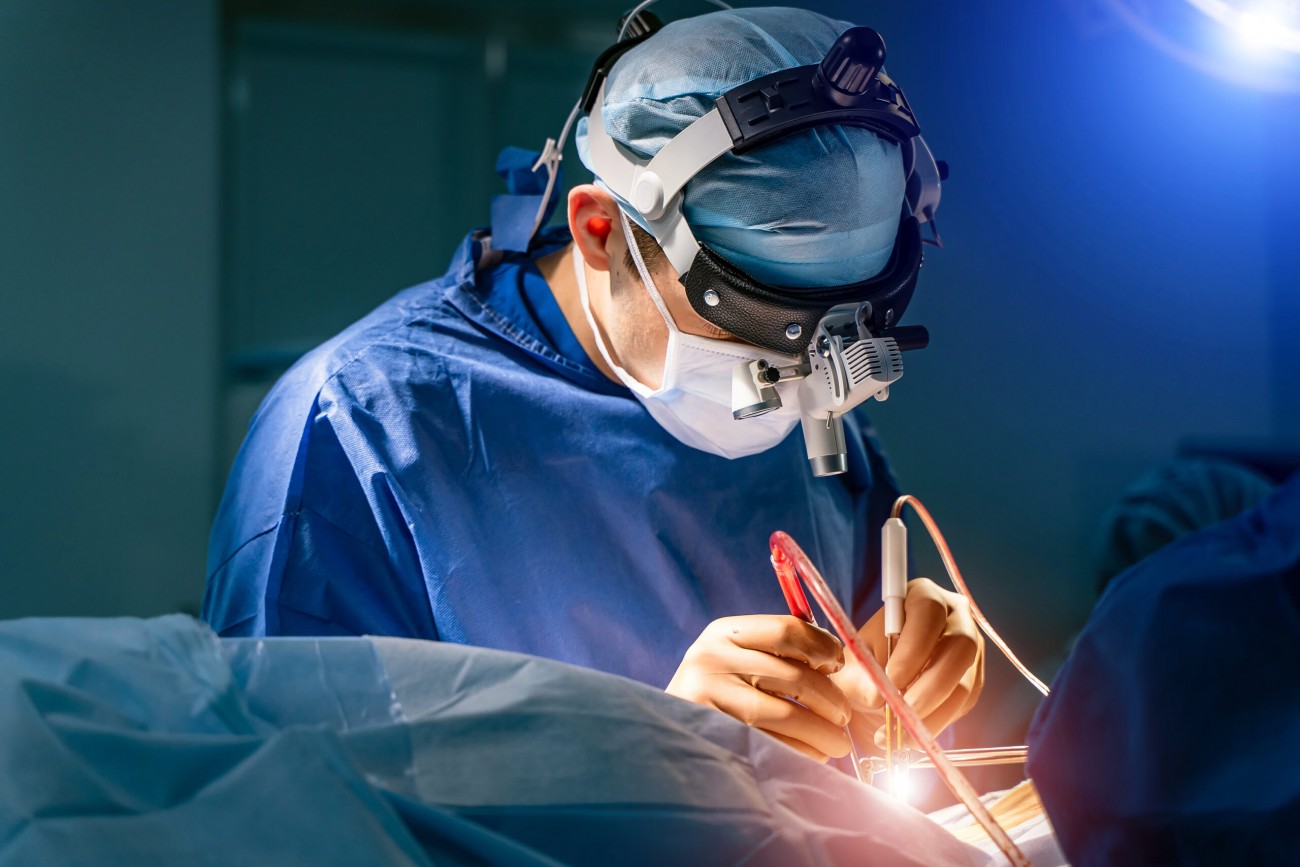
Microsurgical Techniques: Microsurgery using operating microscopes and micro-instruments is the standard approach for nerve-sparing surgery. Intraoperative nerve monitoring improves functional outcomes.
Radiosurgery: Stereotactic radiosurgery (Gamma Knife) may be an option for tumors not suitable for surgery or residual tumors, especially for acoustic neuromas.
Chemotherapy and Targeted Therapies: Adjuvant therapies may be required for malignant peripheral nerve sheath tumors (MPNST).
Prof. Dr. Salim Şentürk's Approach
Prof. Dr. Salim Şentürk prioritizes nerve-sparing surgery in the treatment of nerve sheath tumors. Each patient is evaluated with detailed neurological examination and advanced imaging techniques. Surgical planning is made considering the tumor's characteristics and the patient's functional status.
During surgery, microsurgical techniques and intraoperative neurophysiological monitoring are used to preserve nerve function. Minimally invasive approaches are preferred for spinal nerve sheath tumors, shortening the patient's recovery period.
A multidisciplinary approach is adopted for neurofibromatosis patients, and genetic counseling, regular screening, and evaluation of family members are provided.
Prognosis and Quality of Life
The prognosis for benign nerve sheath tumors is generally excellent. Complete cure rates after surgery for schwannomas exceed 90%, and recurrence is rare. The prognosis for neurofibromas is somewhat more variable, especially in NF1 patients where multiple tumor development may occur.
Surgical success is measured by preservation of nerve function. The risk of permanent nerve damage is low in surgeries performed at experienced centers. Postoperative rehabilitation programs accelerate functional recovery.
The prognosis for malignant peripheral nerve sheath tumors (MPNST) is more serious and treatment requires a multimodal approach including surgery, radiotherapy, and chemotherapy. Early diagnosis and aggressive treatment improve survival rates.
Regular follow-up is important for early detection of recurrence or new tumor development. Lifelong monitoring is required in NF1 and NF2 patients.
Other Treatments

Spine Surgery
Surgical treatment of spine and spinal cord diseases

Deformity Surgery
Deformity surgery is the surgical correction of scoliosis, kyphosis, and spinal imbalance. Effective treatment is achieved with modern techniques and implants. Prof. Dr. Salim Şentürk's expertise in complex deformity surgery.

Endoscopic Spine Surgery
Endoscopic spine surgery is a minimally invasive technique performed through an 8 mm incision. Same-day discharge and rapid recovery are possible for lumbar and cervical disc herniations. Prof. Dr. Salim Şentürk's endoscopic surgery expertise.
Peripheral Nerve Surgery
Peripheral nerve surgery treats nerve compressions, injuries, and tumors. Carpal tunnel, cubital tunnel, and nerve tumors are treated surgically. Prof. Dr. Salim Şentürk's nerve surgery expertise.
Reviewed by: Prof. Dr. Salim Şentürk, Neurosurgeon
Last updated: