
Peripheral Nerve Surgery
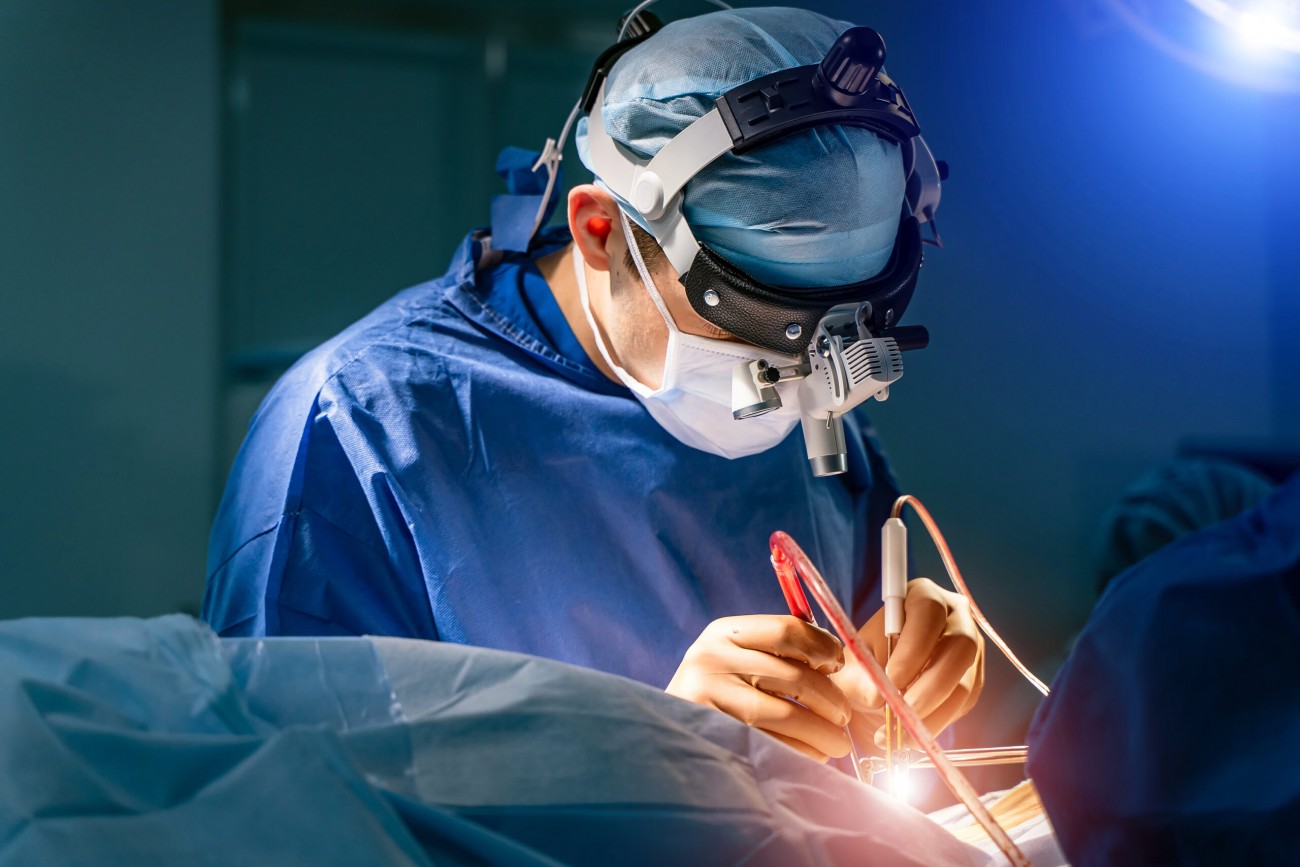
Peripheral nerve surgery is the surgical treatment of conditions affecting the nervous system outside the spinal cord. This includes nerve compressions, injuries, tumors, and pain syndromes in the arms, legs, and trunk. The goals are to preserve or restore nerve function and relieve pain.
What Is Peripheral Nerve Surgery?
Peripheral Nerve Conditions
Entrapment Neuropathies (Nerve Compressions)
- Carpal tunnel syndrome: Median nerve compression at the wrist
- Cubital tunnel syndrome: Ulnar nerve compression at the elbow
- Tarsal tunnel syndrome: Nerve compression at the ankle
- Thoracic outlet syndrome: Nerve and vessel compression at neck-shoulder
- Piriformis syndrome: Sciatic nerve compression at the hip
- Meralgia paresthetica: Lateral femoral cutaneous nerve compression at the thigh
Nerve Injuries
- Sharp object injuries
- Traction and stretch injuries
- Fracture and dislocation-related damage
- Brachial plexus injuries
Nerve Tumors
- Schwannoma: Benign tumor arising from nerve sheath
- Neurofibroma: Associated with neurofibromatosis
- Malignant peripheral nerve sheath tumors: Rare, malignant
Pain Syndromes
- Trigeminal neuralgia (facial pain)
- Complex regional pain syndrome (CRPS)
- Neuroma pain
Symptoms
- Numbness and tingling: In the nerve distribution area
- Weakness: Muscle strength loss
- Muscle wasting: Atrophy in advanced cases
- Pain: Burning, stabbing, or electric shock-like
- Coordination impairment: Decreased fine motor skills
Diagnosis
- Neurological examination: Motor, sensory, and reflex assessment
- EMG and nerve conduction study: Location and severity of nerve damage
- MRI: Nerve and surrounding tissue evaluation
- Ultrasound: Superficial nerve pathologies
Treatment
Conservative Treatment
- Activity modification and ergonomics
- Splint/brace use
- Physical therapy
- Medications (pain relievers, anti-inflammatories)
- Local steroid injection
Surgical Treatment
Nerve Decompression
Release of compressed nerve. Carpal and cubital tunnel surgery are the most common examples.
Nerve Repair
Microsurgical suturing of severed nerves.
Nerve Graft
Using nerve grafts from other nerves to bridge defects.
Nerve Transfer
Transferring a functioning nerve to a damaged one.
Tumor Excision
Microsurgical removal of nerve tumors.
Post-Operative Care
- Splint/brace use: 2-4 weeks
- Physical therapy: Starting at 2-4 weeks
- Recovery process: 3-12 months (nerve regeneration)
Why Choose Prof. Dr. Salim Şentürk?
Prof. Dr. Salim Şentürk is experienced in microsurgical techniques for peripheral nerve surgery. He specializes in nerve decompression, repair, and tumor surgery.
Numbness and Weakness Evaluation
Identify the source of your nerve problem through EMG and examination.
Frequently Asked Questions
How long does carpal tunnel surgery take?
The procedure takes 15-30 minutes. Same-day discharge is possible.
Can nerves heal themselves?
Minor damage may heal on its own. Severe damage requires surgical intervention.
When does sensation return after surgery?
Nerve healing is slow, regenerating approximately 1 mm per day. Full recovery may take months.
Other Treatments

Spine Surgery
Surgical treatment of spine and spinal cord diseases

Deformity Surgery
Deformity surgery is the surgical correction of scoliosis, kyphosis, and spinal imbalance. Effective treatment is achieved with modern techniques and implants. Prof. Dr. Salim Şentürk's expertise in complex deformity surgery.

Endoscopic Spine Surgery
Endoscopic spine surgery is a minimally invasive technique performed through an 8 mm incision. Same-day discharge and rapid recovery are possible for lumbar and cervical disc herniations. Prof. Dr. Salim Şentürk's endoscopic surgery expertise.

Lumbar Disc Herniation Surgery
Lumbar disc herniation surgery is performed when conservative treatment fails for herniated discs. Microdiscectomy and endoscopic discectomy achieve 90-95% success rates. Safe treatment with Prof. Dr. Salim Şentürk's expertise.
Reviewed by: Prof. Dr. Salim Şentürk, Neurosurgeon
Last updated: