

Sciatica
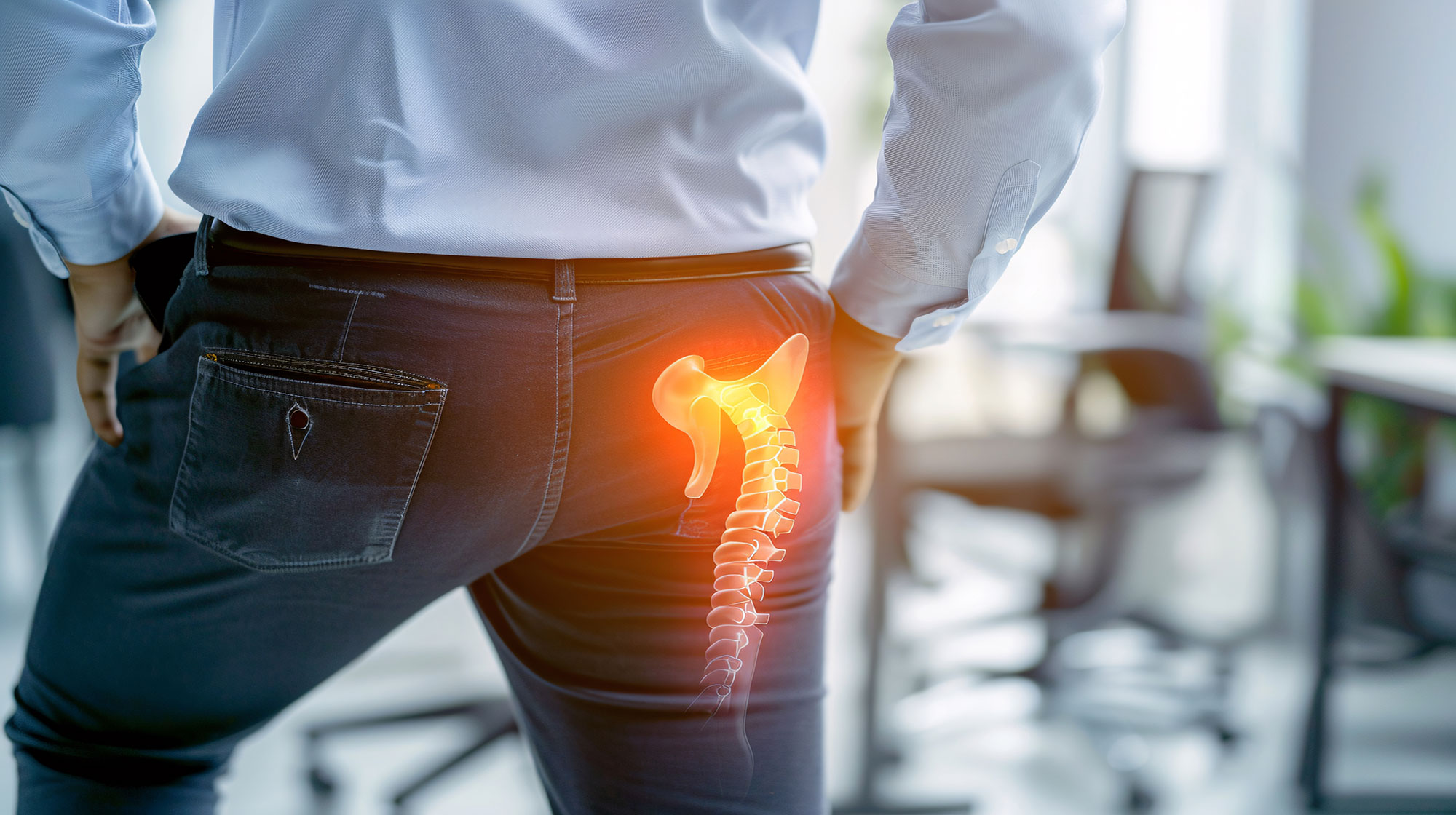
Sciatica is a pain syndrome caused by compression or irritation of the sciatic nerve (nervus ischiadicus), the body's thickest and longest nerve. Pain starts in the lower back and radiates through the buttock, back of the thigh, calf, and down to the foot. It is usually one-sided and feels burning or like an electric shock.
What Is Sciatica?
Symptoms of Sciatica
- Pain radiating from back to leg: Pain extending to buttock, back of thigh, calf, and foot
- Burning or stabbing pain: Electric shock-like sensation
- Numbness and tingling: Sensory changes in leg and foot
- Muscle weakness: Difficulty lifting foot or toes
- Pain worsening with sitting: Intensifying with prolonged sitting
- Increased pain with coughing/sneezing: Pain intensifying with increased abdominal pressure
Causes of Sciatica
Herniated Disc (Most Common)
Disc material compressing the nerve root. L4-L5 and L5-S1 levels are most commonly affected.
Spinal Stenosis
Nerve compression due to canal narrowing.
Piriformis Syndrome
Hip muscle compressing the sciatic nerve.
Spondylolisthesis
Nerve compression due to vertebral slippage.
Other Causes
- Trauma or injury
- Tumors
- Infections
- Pregnancy
Diagnosis
- Physical examination: Straight leg raise test (Lasègue), reflexes, motor strength
- MRI: Evaluation of herniation, stenosis, tumor
- EMG: Nerve damage degree and level
- X-ray: Bone pathologies
Treatment Approaches
Conservative Treatment
80-90% of sciatica improves without surgery:
- Medications: Pain relievers, muscle relaxants, neuropathic pain drugs
- Physical therapy: Stretching exercises, core strengthening
- Hot/cold application: Pain and muscle spasm control
- Epidural injection: Reducing pain and inflammation with steroids
- Manual therapy: Physical therapy and manipulation
Surgical Treatment
For cases unresponsive to 6-8 weeks of conservative treatment or with neurological deficits:
- Microdiscectomy: For herniation-related cases
- Endoscopic discectomy: Minimally invasive approach
- Decompression: For stenosis-related cases
Self-Care at Home
- Short-term bed rest (1-2 days)
- Ice application (first 48 hours)
- Light stretching exercises
- Avoid prolonged sitting
- Use proper mattress and pillow
When to See a Doctor?
- Pain lasting longer than 1-2 weeks
- Leg weakness or foot drop
- Bladder or bowel control problems
- Accompanied by fever and weight loss
- Progressive pain
Why Choose Prof. Dr. Salim Şentürk?
Prof. Dr. Salim Şentürk accurately diagnoses the cause of sciatica and determines the most appropriate treatment method. He is experienced in all options from conservative treatment to surgery.
Learn the Source of Your Pain
Schedule an appointment to identify the cause of your sciatica.
Frequently Asked Questions
Does sciatica go away on its own?
In mild cases, it may improve on its own within 4-6 weeks. However, identifying the underlying cause is important.
Is walking harmful with sciatica?
Light walking is generally beneficial. Activities that increase pain should be avoided.
Does sciatica recur?
It may recur if the underlying cause is not treated. Regular exercise and proper posture should be maintained.
Other Treatments

Spine Surgery
Surgical treatment of spine and spinal cord diseases

Deformity Surgery
Deformity surgery is the surgical correction of scoliosis, kyphosis, and spinal imbalance. Effective treatment is achieved with modern techniques and implants. Prof. Dr. Salim Şentürk's expertise in complex deformity surgery.

Endoscopic Spine Surgery
Endoscopic spine surgery is a minimally invasive technique performed through an 8 mm incision. Same-day discharge and rapid recovery are possible for lumbar and cervical disc herniations. Prof. Dr. Salim Şentürk's endoscopic surgery expertise.
Peripheral Nerve Surgery
Peripheral nerve surgery treats nerve compressions, injuries, and tumors. Carpal tunnel, cubital tunnel, and nerve tumors are treated surgically. Prof. Dr. Salim Şentürk's nerve surgery expertise.
Reviewed by: Prof. Dr. Salim Şentürk, Neurosurgeon
Last updated: