

Spinal Tumors
Spinal tumors are abnormal cell growths that develop in the spinal bones, spinal cord, or surrounding structures. They can be primary (originating from the spine) or metastatic (spreading from other organs). Early diagnosis and treatment are critical for preserving neurological function.
What Are Spinal Tumors?
Types of Spinal Tumors
By Location
Extradural Tumors
Located outside the spinal cord membrane, in bone or epidural space. Metastatic tumors are most common in this group.
Intradural Extramedullary Tumors
Inside the spinal cord membrane but outside the spinal cord. Meningioma and schwannoma are the most common examples.
Intramedullary Tumors
Inside the spinal cord tissue. Ependymoma and astrocytoma are common.
Common Tumor Types
- Metastatic tumors: Spread from lung, breast, prostate cancer
- Meningioma: Benign tumor arising from the spinal cord membrane
- Schwannoma: Benign tumor arising from nerve sheath
- Neurofibroma: Associated with neurofibromatosis
- Ependymoma: Arising from the central canal of spinal cord
- Hemangioma: Benign vascular tumor
- Osteosarcoma: Malignant bone tumor
- Chordoma: Arising from notochord remnants

Symptoms
- Back or neck pain: Worsening at night, not relieved by rest
- Neurological signs: Weakness, numbness in arms or legs
- Walking difficulty: Balance loss, spastic gait
- Bladder/bowel dysfunction: Incontinence, constipation
- Scoliosis: Rapidly developing curvature, especially in children
- Weight loss: Loss of appetite and wasting
Diagnosis
- MRI: Tumor location, size, and characteristics
- CT scan: Bone involvement assessment
- PET-CT: Metastasis screening
- Biopsy: Histopathological diagnosis
- Angiography: Vascular mapping in vascular tumors
Treatment Approaches
Surgical Treatment
Goals of tumor surgery:
- Complete or maximum tumor removal
- Relieving nerve and spinal cord compression
- Maintaining or restoring spinal stability
- Obtaining histopathological diagnosis
Surgical Techniques
- Laminectomy and tumor excision: For intradural tumors
- En bloc resection: For primary bone tumors
- Minimally invasive surgery: In suitable cases
- Instrumentation: Screw-rod system for stabilization
Radiotherapy
- Stereotactic radiosurgery (CyberKnife, Gamma Knife)
- Conventional radiotherapy
- Proton therapy
Chemotherapy
Systemic treatment for malignant and metastatic tumors.
Multidisciplinary Approach
Coordination of neurosurgery, oncology, radiation oncology, and physical therapy teams.
Prognosis
Prognosis depends on tumor type, grade, location, and response to treatment. Complete cure is possible with surgery for benign tumors. For metastatic tumors, the goal is to improve quality of life and preserve function.
Why Choose Prof. Dr. Salim Şentürk?
Prof. Dr. Salim Şentürk has comprehensive experience in spinal tumor surgery. He performs safe tumor excision using intraoperative neuromonitoring and microsurgical techniques.
Early Diagnosis Saves Lives
Get evaluated without delay for suspicious symptoms.
Frequently Asked Questions
Are spinal tumors cancer?
Some spinal tumors are benign, others are malignant. Meningioma and schwannoma are generally benign.
Is surgery risky?
Tumor surgery is complex but safely performed by experienced surgeons with modern techniques.
Is there a risk of paralysis after surgery?
Nerve damage risk is minimized with intraoperative neuromonitoring.
Other Treatments

Spine Surgery
Surgical treatment of spine and spinal cord diseases

Deformity Surgery
Deformity surgery is the surgical correction of scoliosis, kyphosis, and spinal imbalance. Effective treatment is achieved with modern techniques and implants. Prof. Dr. Salim Şentürk's expertise in complex deformity surgery.

Endoscopic Spine Surgery
Endoscopic spine surgery is a minimally invasive technique performed through an 8 mm incision. Same-day discharge and rapid recovery are possible for lumbar and cervical disc herniations. Prof. Dr. Salim Şentürk's endoscopic surgery expertise.
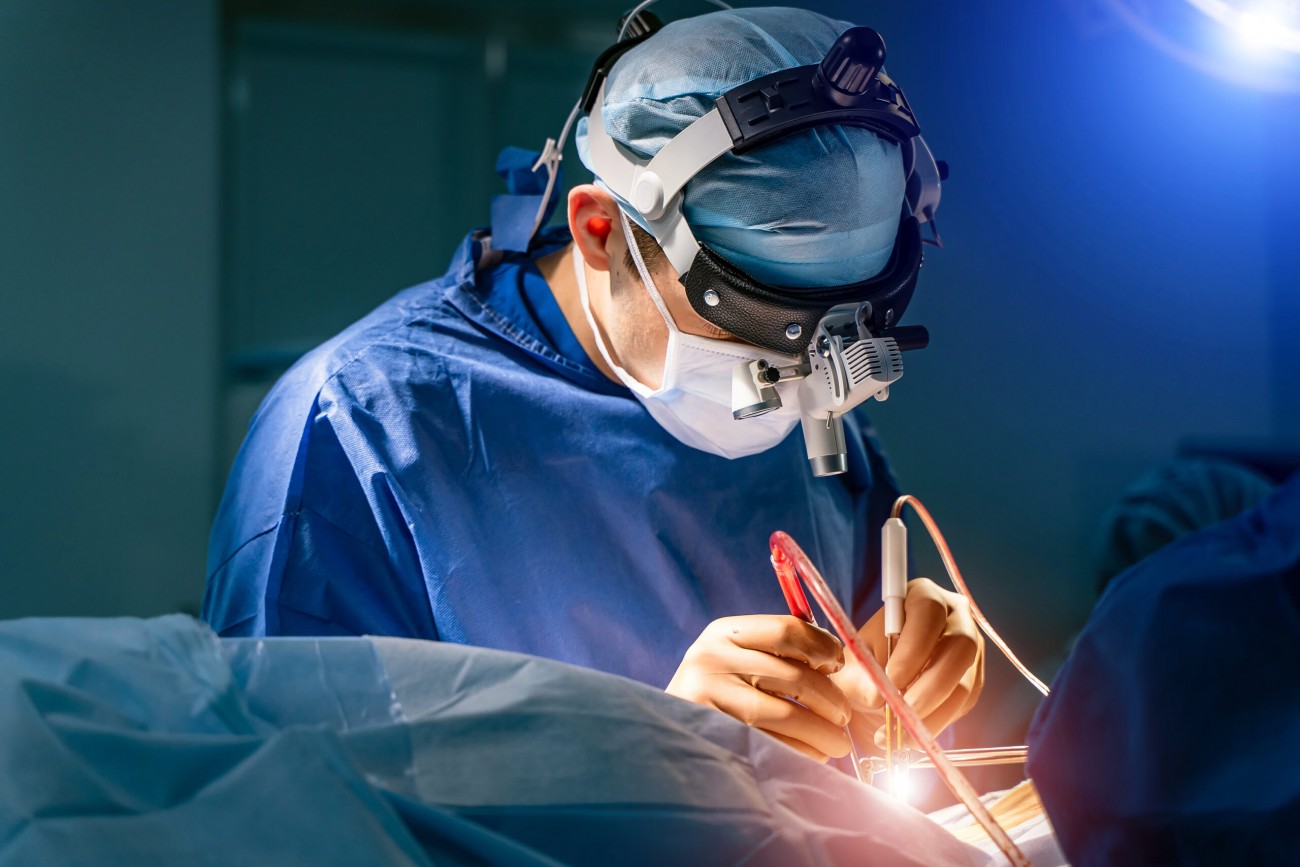
Peripheral Nerve Surgery
Peripheral nerve surgery treats nerve compressions, injuries, and tumors. Carpal tunnel, cubital tunnel, and nerve tumors are treated surgically. Prof. Dr. Salim Şentürk's nerve surgery expertise.
Reviewed by: Prof. Dr. Salim Şentürk, Neurosurgeon
Last updated: