

Spine Surgery
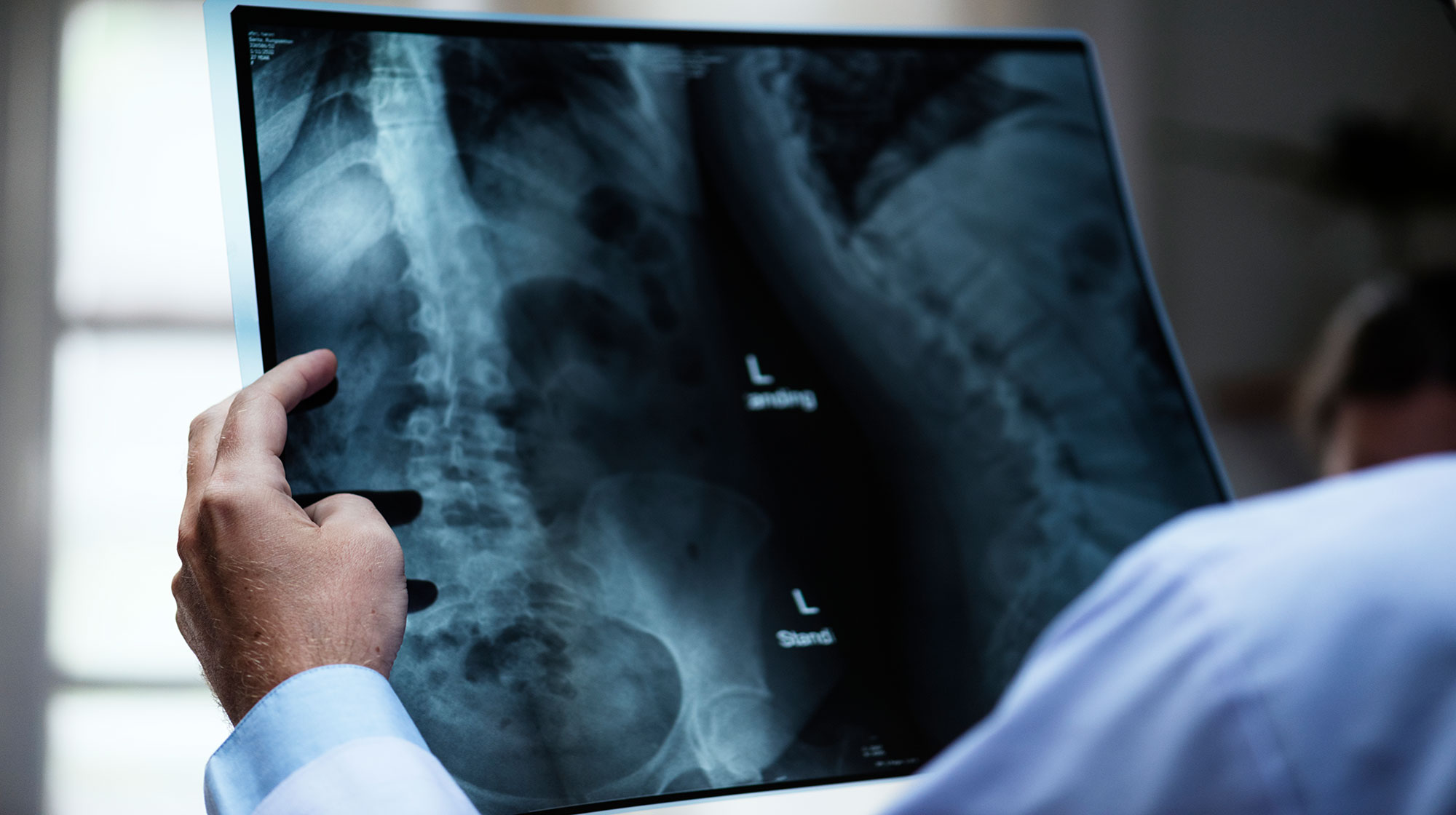
Spine surgery is the surgical treatment of spine and spinal cord diseases. The spine is the main support structure of our body, consisting of 33 vertebrae, and provides nerve communication between the brain and body through the spinal cord that passes through it. Spine surgery is performed for the treatment of conditions such as lumbar disc herniation, cervical disc herniation, spinal stenosis, scoliosis, kyphosis, spinal tumors, and trauma.
What Is Spine Surgery?
When Is Spine Surgery Necessary?
Spine surgery is performed when conservative treatments (medication, physical therapy, injections) have failed or in cases requiring emergency intervention:
Severe and persistent pain: Pain that does not resolve despite 6-8 weeks of conservative treatment
Neurological deficit: Weakness in arms or legs, numbness, reflex changes
Bladder/bowel dysfunction: Emergency conditions such as cauda equina syndrome
Progressive deformity: Progression of curvatures such as scoliosis and kyphosis
Spinal instability: Presence of vertebral slippage (spondylolisthesis)
Tumor or infection: Spinal tumors or spondylodiscitis
Modern Spine Surgery Techniques
Today, spine surgery has become safer and more effective thanks to minimally invasive techniques and advanced technology:
Microdiscectomy
This technique performed under a surgical microscope is the gold standard in the treatment of lumbar and cervical disc herniation. It is performed through a 2-3 cm incision, hospital stay is 1 day, and return to work is 2-4 weeks.
Endoscopic Spine Surgery
Full endoscopic technique performed through an 8 mm incision is the least invasive method. Same-day discharge is possible and recovery time is very short.
Minimally Invasive Spinal Fusion
Muscle damage is minimized using a tubular retractor system. It is preferred in the treatment of vertebral slippage and instability.
Artificial Disc Surgery
Replacement of the damaged disc with an artificial disc. Motion is preserved, and the risk of adjacent segment disease is reduced.
Robotic and Navigation-Assisted Surgery
Screw placement becomes safer with computer-assisted imaging. It is especially used in scoliosis and deformity surgery.
Conditions Treated with Spine Surgery
Lumbar disc herniation
Cervical disc herniation
Lumbar spinal stenosis
Cervical spinal stenosis
Spondylolisthesis (Vertebral slippage)
Scoliosis and kyphosis (Spinal deformities)
Spinal tumors
Spinal fractures and trauma
Spondylodiscitis (Spinal infection)
Post-Operative Recovery
The recovery process after spine surgery depends on the technique used and the patient's general condition:
Microdiscectomy: 1 day in hospital, return to work in 2-4 weeks
Endoscopic surgery: Same-day discharge, return to work in 1-2 weeks
Fusion surgery: 2-4 days in hospital, 6-12 weeks recovery
Deformity surgery: 5-7 days in hospital, 3-6 months full recovery
Why Prof. Dr. Salim Şentürk?
With over 25 years of experience, Prof. Dr. Salim Şentürk is one of Turkey's leading names in spine surgery. He specializes in minimally invasive techniques, endoscopic surgery, and complex deformity surgery. A personalized treatment plan is created for each patient.
Book an Appointment for Expert Evaluation
You can schedule an examination appointment to determine the right treatment method for your spine problem.
Frequently Asked Questions
Is spine surgery risky?
With modern techniques and experienced hands, spine surgery is performed safely. Complication rates are around 1-2%. Detailed pre-operative evaluation minimizes risks.
How long does recovery take after surgery?
Recovery time depends on the technique used. It may take 1-2 weeks for endoscopic surgery, 2-4 weeks for microsurgery, and 2-3 months for fusion surgery.
Is non-surgical treatment possible?
Many spinal conditions are initially treated with conservative methods. Medication, physical therapy, and injections are the first options. Surgery is considered when these treatments are insufficient.
Can I do sports after surgery?
After full recovery, return to activities such as swimming and walking is possible. Doctor's approval is required for sports that require heavy lifting and excessive strain.
Other Treatments

Deformity Surgery
Deformity surgery is the surgical correction of scoliosis, kyphosis, and spinal imbalance. Effective treatment is achieved with modern techniques and implants. Prof. Dr. Salim Şentürk's expertise in complex deformity surgery.

Endoscopic Spine Surgery
Endoscopic spine surgery is a minimally invasive technique performed through an 8 mm incision. Same-day discharge and rapid recovery are possible for lumbar and cervical disc herniations. Prof. Dr. Salim Şentürk's endoscopic surgery expertise.
Peripheral Nerve Surgery
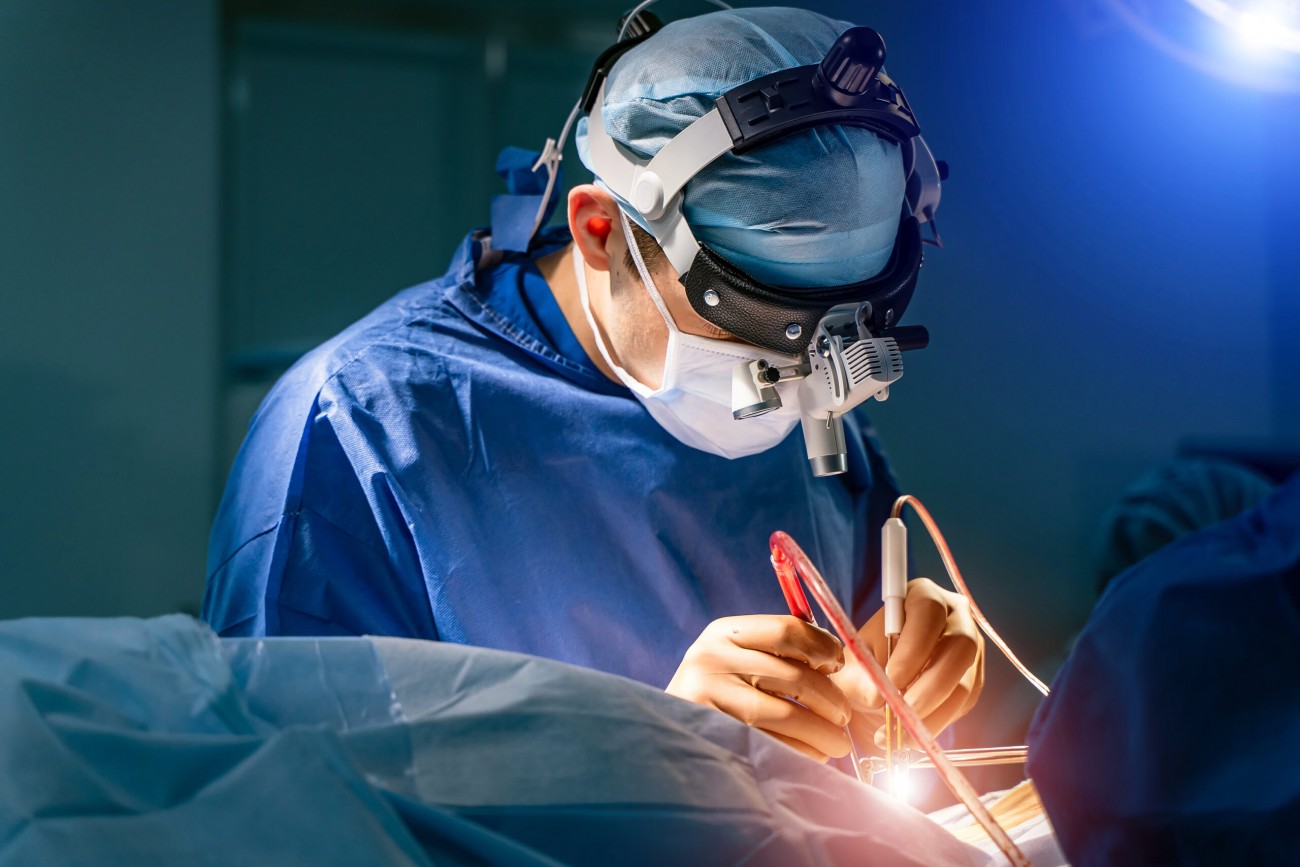
Peripheral nerve surgery treats nerve compressions, injuries, and tumors. Carpal tunnel, cubital tunnel, and nerve tumors are treated surgically. Prof. Dr. Salim Şentürk's nerve surgery expertise.

Lumbar Disc Herniation Surgery
Lumbar disc herniation surgery is performed when conservative treatment fails for herniated discs. Microdiscectomy and endoscopic discectomy achieve 90-95% success rates. Safe treatment with Prof. Dr. Salim Şentürk's expertise.
Reviewed by: Prof. Dr. Salim Şentürk, Neurosurgeon
Last updated: